Highlights
- Contingent labor is a strategic workforce resource. Travel clinicians can help health systems respond to changing demand, support critical services, open new units or facilities and strengthen long-term workforce planning.
- Flexibility has become a core capability for hospitals. By combining contingent labor with permanent hiring, float pools and per diem teams, leaders can align staffing more closely with patient demand.
- The biggest differentiator is strategy and partnership. Effective programs treat travel assignments as part of long-term workforce planning, including conversion to permanent roles, and rely on transparent partners who bring data, guardrails and realistic expectations rather than “too good to be true” promises.
Table of Contents
Skilled Talent for Critical Moments of Care
At The University of Tennessee Medical Center, contingent labor has supported more than urgent coverage needs. It has helped the organization respond to rising demand, fill critical allied health roles beyond nursing and identify clinicians who may become permanent members of the team. Used thoughtfully, contingent labor can give health systems that same flexibility while supporting longer-term workforce planning.
Travel clinicians bring experience shaped across multiple settings, allowing them to step into new environments with agility and confidence. Many choose contingent work to broaden their skills, learn from diverse teams and support communities where the need is greatest.
The challenge is developing the strategy, visibility and partnerships needed to use contingent labor effectively. With the right guardrails, it can serve as a pressure release rather than a pressure point.
Flexibility as a Core Workforce Capability
What used to be predictable is now constantly changing. Patient volumes shift quickly. Staff expectations are evolving. A more dynamic workforce model is no longer a nice-to-have; it’s essential.
Contingent labor offers hospitals the flexibility to manage these realities without overextending permanent teams. When paired with permanent recruitment, internal float pools and per diem resources, contingent staff help create a balanced model that adapts to real demand.
Technology can support that flexibility by giving leaders a clearer view of workforce available staff and clinicians, coverage needs and the cost of different staffing options. AI-enabled tools can help health systems align staffing more closely with real-time demand as patient needs shift throughout the day.
Platforms like LotusOne, Qualivis’ integrated workforce management platform, bring information about different labor types into one shared view. That visibility can support better forecasting, more precise scheduling and stronger alignment between staffing and patient needs.
A Strategic Partner, Not a Last Resort
Historically, contingent labor was often approached as a last-minute, transactional solution. That’s changing. Hospitals are increasingly integrating contingent resources into broader strategies that include:
- Long-term workforce planning
- Recruitment pipelines and conversion pathways
- Systemwide float models
- Cost optimization and premium labor management
- Quality and continuity of care
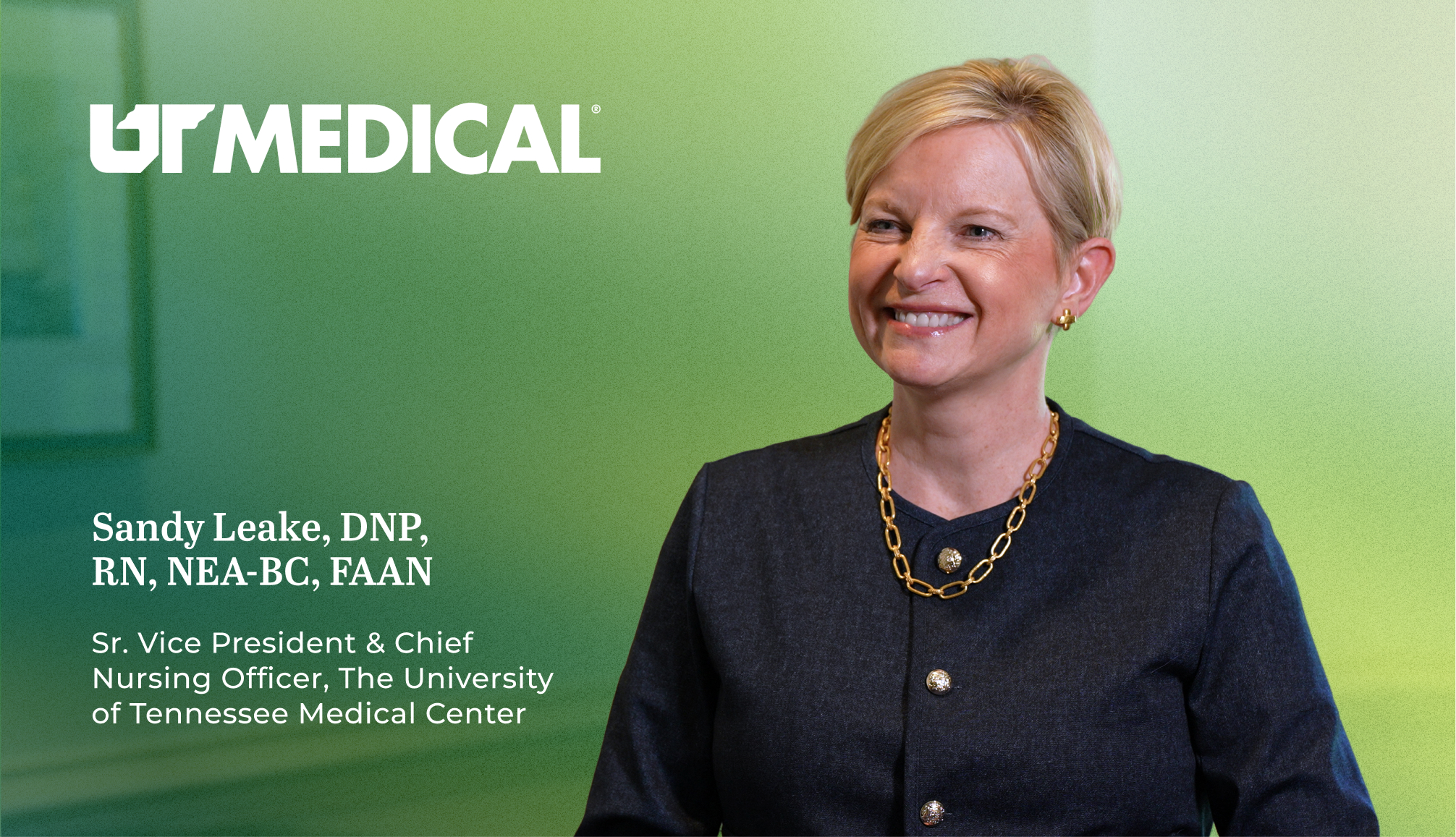
Used together, these strategies position contingent labor as part of the broader workforce plan rather than a separate emergency process. Sandy Leake describes that long-term value at The University of Tennessee Medical Center: “We’re not using nearly as many contingent folks as we had to at one time, but [our partnership with Qualivis] is still valuable to us, and it’s meaningful and it’s important to our strategy and our success as a health care organization.”
Contingent labor can help fill immediate gaps, support systemwide flexibility and cost goals, preserve continuity of care, expand services and create pathways to permanent employment. A travel assignment also gives clinicians and hospitals time to evaluate whether a long-term fit makes sense. At UT Medical Center, that approach has helped the organization recruit a significant percentage of clinicians who began in travel assignments.
Selecting the right partner is critical. In a crowded market with bold claims, health systems need partners that offer transparency and realistic expectations. Sandy Leake describes UT Medical Center’s experience with Qualivis as “very positive, very collegial and very collaborative,” adding that the partnership “has achieved everything we needed it to.”
The right partner will bring data, clear processes and a willingness to co-design a workforce strategy around the organization’s actual needs.
A Reframed Perspective for the Future
Contingent labor is not simply a stopgap or emergency resource. It can help hospitals maintain continuity, protect their teams and support their communities. When organizations incorporate it into a broader workforce strategy, they can respond to immediate needs while supporting long-term planning and recruitment.
Used thoughtfully, contingent labor is a critical component of the resilient workforce healthcare requires.