Highlights
Workforce flexibility is redefining staffing: Healthcare organizations are adopting float pools, internal travel programs, cross-training and flexible scheduling to better meet clinician and patient needs.
Retention starts with culture and leadership: Investing in frontline leaders, career development and employee engagement is helping organizations improve retention and reduce turnover.
AI is improving workforce management: Health systems are using AI to forecast staffing needs, optimize scheduling and reduce administrative burden for nurse managers and operational leaders.
Organizations are building future talent pipelines: Apprenticeships, LPN-to-RN pathways, educational partnerships and earn-and-learn programs are creating sustainable workforce solutions.
Collaboration is driving innovation: Roundtable 2026 highlighted how healthcare leaders are sharing best practices to build more resilient, flexible and future-ready workforces.
Table of Contents
1. Flexibility has become healthcare’s most important workforce strategy
2. Retention starts with leadership, culture and workforce investment
3. Technology and AI are amplifying human decision-making
4. Healthcare leaders are creating talent, not just recruiting it
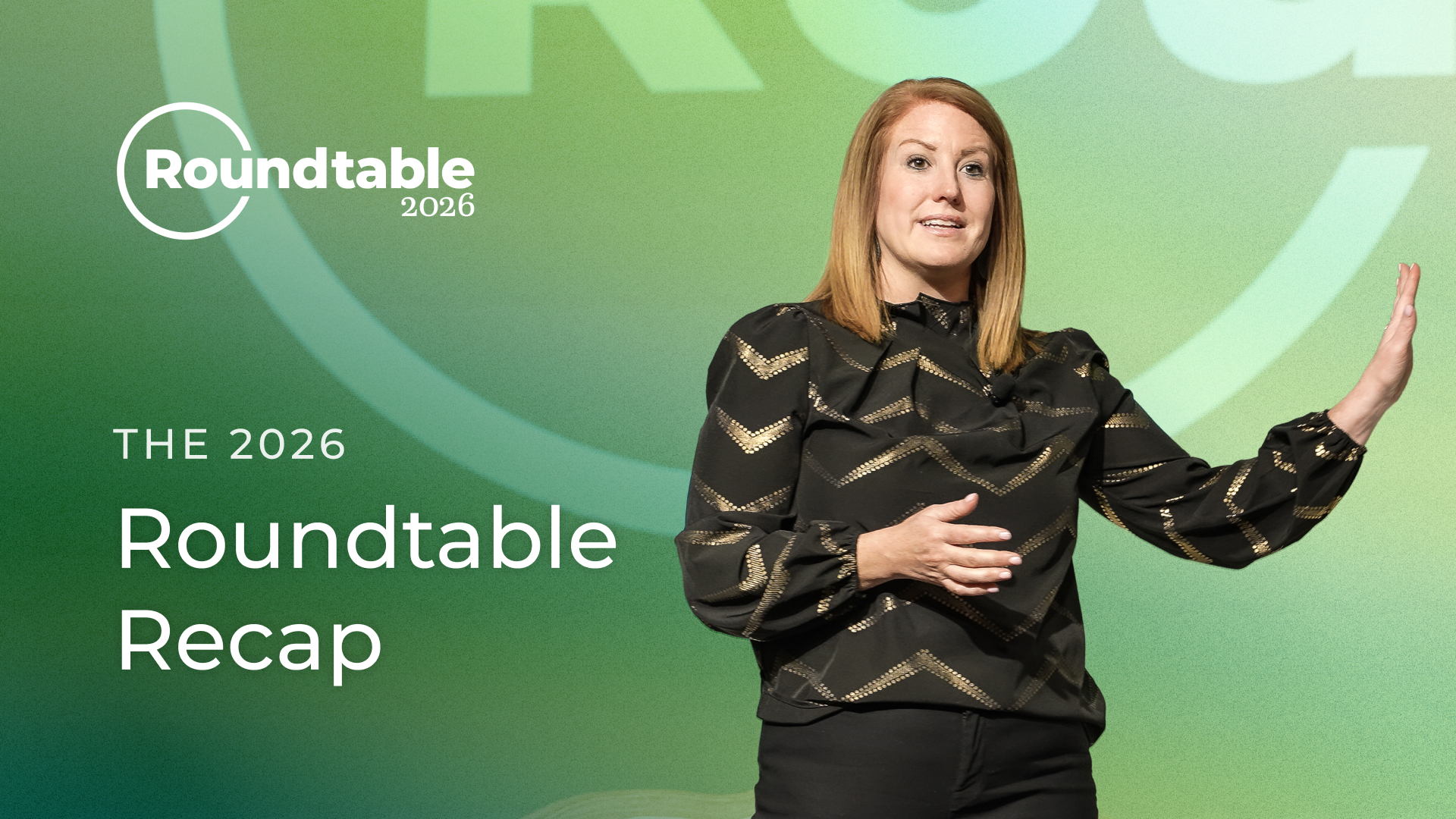
Roundtable 2026 showcased how healthcare organizations are rethinking workforce strategy to build more flexible, resilient and sustainable teams. Across the event, healthcare leaders, workforce experts and industry partners shared practical strategies already reshaping the future of care.
One message surfaced again and again: the organizations making the greatest progress aren’t simply managing workforce challenges. They’re redesigning how work gets done.
1. Flexibility has become healthcare’s most important workforce strategy
Today’s workforce expects greater control over when, where and how they work, while organizations must balance workforce preferences with fluctuating patient demand. As a result, workforce flexibility emerged as one of the event’s strongest themes, with strategies including:
- Enterprise-wide float pools
- Internal travel programs
- Cross-training initiatives
- Standardized staffing models
- Regional resource pools
- More flexible scheduling options
Vi-Anne Antrum, System Chief Nursing Officer at Cone Health, shared how the organization is creating multiple workforce pathways to meet clinicians’ varying needs, from internal travel programs that allow team members to work for six months and take six months off, to eight-hour shift options for clinicians seeking alternatives to a traditional 12-hour schedule.
“It’s just listening to people and figuring out what the needs are, because at the end of the day, a filled shift is better than an unfilled shift,” Antrum said. “The days of being rigid and having one model are over. The people and the organizations that will win on both cost and engagement from a staffing perspective will be the ones that can flex.”
2. Retention starts with leadership, culture and workforce investment
Speakers highlighted investments in leadership development, nurse residency programs, career advancement pathways and employee support initiatives. Several organizations shared how strengthening frontline leadership and creating cultures of transparency and accountability have improved engagement while reducing turnover.
During Collaboration That Lifts: Helping Teams Do Their Best, RWJBarnabas Health Vice President of Staffing & Productivity Cathy Alexander shared how leaders intentionally create feedback loops with frontline staff through leadership rounding.
“Our leadership does rounding. It’s called ‘You Said, We Did.’ When [frontline staff] talk to us and they say, ‘We need this resource’ or ‘We need this,’ and we go and see if we can implement it. Then we go back and publish [how] we listened and what we did.’”
Alexander said the approach has generated tremendous positive feedback by demonstrating that leaders are listening and acting on staff concerns. Across multiple Roundtable sessions, healthcare leaders emphasized that retention is built through trust, communication and visible investment in the employee experience.
3. Technology and AI are amplifying human decision-making
AI is a topic of discussion at nearly every conference, and Roundtable 2026 was no exception. However, the conversation focused less on future possibilities and more on practical applications already delivering results. In the smaller roundtable discussions, participants shared a growing number of real-world use cases, including:
- Improving scheduling accuracy and staffing alignment
- Forecasting workforce demand and patient volume trends
- Reducing administrative burden for nurse managers and frontline staff
- Streamlining revenue cycle operations, coding and claims management
- Assisting with clinical documentation and ambient listening solutions
- Supporting radiology workflows and image interpretation efficiencies
During Bringing AI to the Frontlines of Workforce Management, Wellspan Health System Director of Staffing & Scheduling Allison Silfies shared how her teams are beginning to use AI-powered workforce planning tools to forecast staffing needs, automate scheduling and better align staffing with patient demand. By leveraging historical volume and workforce data, the technology helps nurse managers spend less time on administrative tasks and more time supporting staff and patient care.
“We know nurse managers spend way too much time in staffing and scheduling, and we’re not working them to their full scope.”
As organizations continue exploring AI, the focus remains on reducing administrative burden and helping leaders spend more time supporting patients, teams and operations.
4. Healthcare leaders are creating talent, not just recruiting it
As workforce shortages persist across healthcare, organizations are increasingly investing in long-term talent pipelines. Crystal Farmer, Chief Operating Officer at August Health, said,
“Instead of thinking about how to recruit talent, it’s how to create talent and grow in those pipelines.”
Across multiple sessions, leaders shared how they are developing future clinicians through innovative workforce development programs and educational partnerships, including:
- LPN-to-RN pathways
- Internal academies
- Earn-and-learn programs
- Community college partnerships
- Apprenticeship models
- International recruitment programs
Daniel Hudson, Senior Vice President for Nursing Operations and Chief Nursing Officer for Ambulatory Nursing at Jefferson Health, shared how the organization partnered with the School District of Philadelphia, multiple STEM-focused high schools and a local community college to create a healthcare apprenticeship program. The program gives students hands-on exposure to careers such as patient care technician, medical assistant and surgical technologist while providing educational support and scholarship opportunities to help them advance their training.
The initiative has already helped participants transition from high school healthcare pathways into college nursing programs and healthcare careers. But Hudson said its impact extends far beyond workforce development. He shared the story of one participant who became the first person in their family to earn a paycheck and help pay rent, illustrating how workforce programs can strengthen both careers and communities.
These investments are providing economic mobility, impacting the community and helping organizations build stronger, more sustainable workforce pipelines for the future.
Looking ahead
Whether the conversation focused on flexibility, retention, technology or workforce development, one common thread connected every session: meaningful progress happens when organizations work together to build sustainable solutions for the future.
Thank you to everyone who shared their experiences and insights. The best ideas don’t end when the session does, and we hope the Roundtable discussions and networking continue to inspire collaboration throughout the year. We look forward to seeing how these conversations shape your workforce strategies and to continuing the dialogue when we gather again next year.